Growing flax is an effective way to get several valuable products from one plant at once
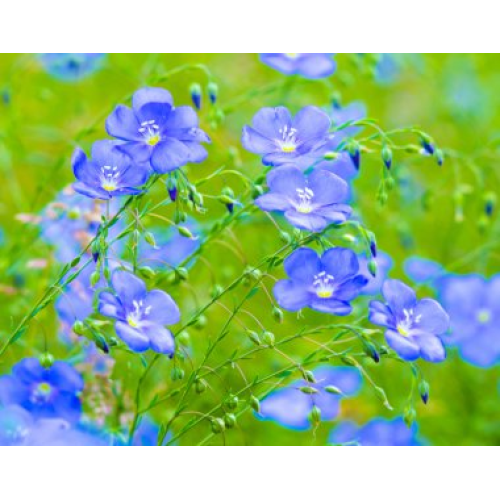
- As a honey plant: During the flowering period, flax attracts bees, providing them with nectar and pollen, which contributes to the development of apiaries and supports pollinators. Flaxseed honey is light and has a delicate flavour.
Although flax is not a major honey plant, it can be effectively used in crop rotations as a crop that not only produces valuable seeds but also provides bees with a maintenance take, especially during periods of ‘dormancy’ or between major honey plants.
- For oil: Flaxseeds produce valuable flaxseed oil, rich in omega-3 fatty acids, which is beneficial for health and is widely used in cooking and cosmetics.
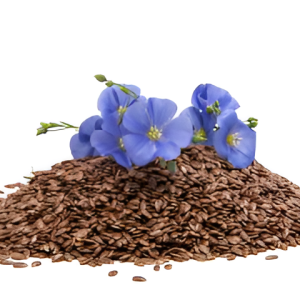
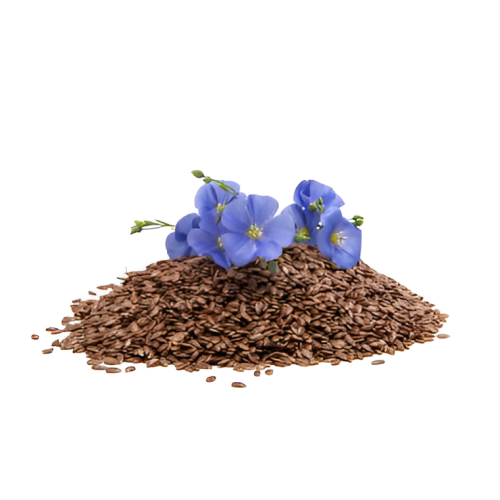
- For the use of seeds: Flaxseed itself is a real superfood. It can be added to cereals, smoothies, baked goods, salads or consumed as a standalone supplement to improve digestion, lower cholesterol and enrich the diet with fibre and antioxidants.
Sowing: - Dates: Early, when the soil has warmed up to 6-8°C and the threat of frost has passed. This is usually April - early May, depending on the region.
- Method: Conventional row sowing, with a sowing depth of 1-3 cm.